Light therapy is a natural treatment that uses a particular kind of light to improve health and well-being. It is also known as phototherapy. Mainly, it uses artificial light exposure to treat various physical and mental health conditions. Light therapy is becoming more and more popular in the medical sector, whether it’s for pain relief, skincare, or improved mood.
This is a simple and effective treatment that causes many beneficial changes in the body. In this article, we will talk about what light therapy is as well as its benefits and uses for your health.
What is Light Therapy?
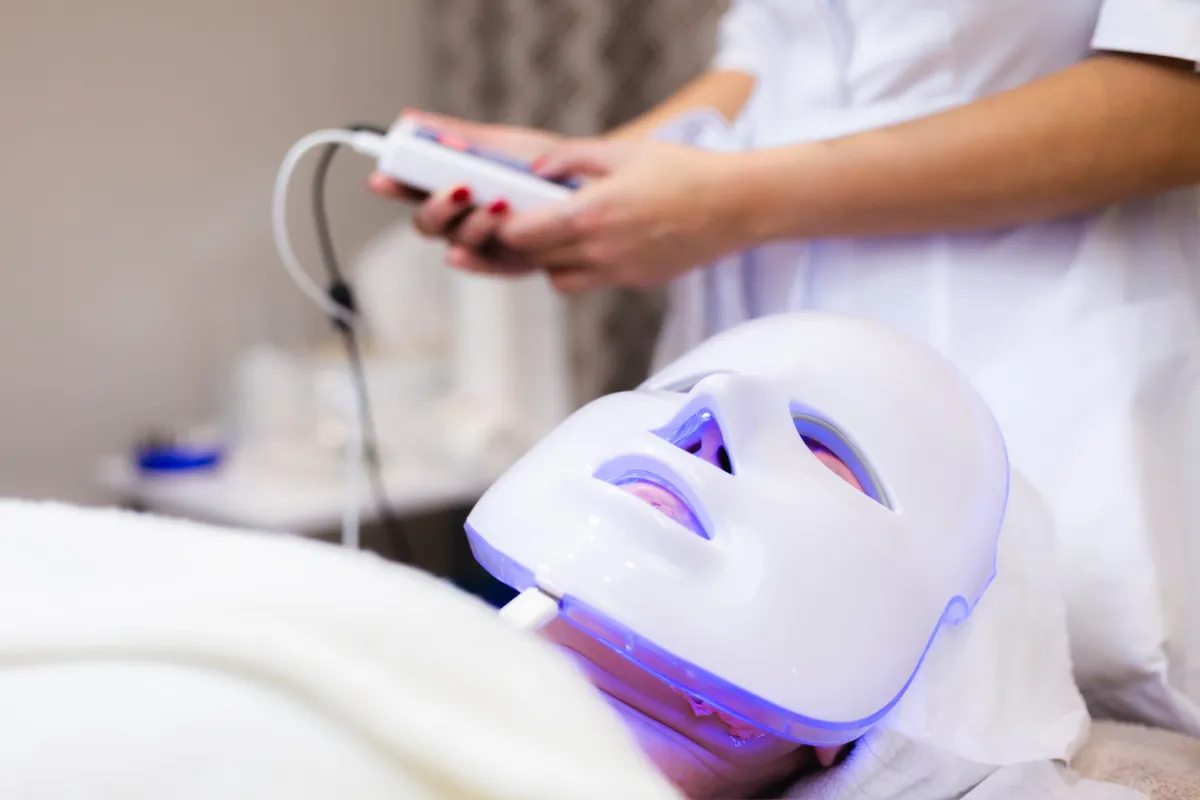
Light therapy is the use of certain light wavelengths to treat medical conditions. The light used in therapy is carefully controlled to produce positive effects. The most common types of light include full-spectrum, infrared, red, and blue light. Each has unique benefits and goals.
The basic concept of light therapy is the belief that specific wavelengths of light can get through the skin and activate biological processes. For example, red light helps healing and reduces inflammation, whereas blue light is often utilized to treat skin conditions like acne. Light therapy has long been used to treat Seasonal Affective Disorder (SAD).
How Does Light Therapy Work?
Light therapy benefits the body by treating the skin and eyes to specific types of light. When light enters the skin, it triggers cells and boosts their ability to generate energy. This process lowers inflammation and improves damaged cell recovery.
In regards to mental health benefits, light therapy changes the circadian rhythm, or the body’s normal sleep-wake cycle. Light therapy has the ability to regulate mood and sleep-related hormones including serotonin and melatonin.
Light Therapy Benefits
Light therapy is an efficient non-invasive treatment. It improves mood, lowers tension, and promotes deeper sleep. These are some benefits of light therapy.

Physical Health Benefits
There are several physical health advantages to light therapy. Red and blue light therapy can improve skin health by reducing wrinkles, scarring, and acne. By lowering inflammation and increasing skin healing, it helps in the management of skin diseases including psoriasis and eczema. Infrared radiation has the capacity to deeply permeate muscles and joints, easing discomfort from conditions including arthritis and tight muscles.
Improved wound healing is another significant benefit. Red light treatment works very well to stimulate tissue healing and minimize scarring. Light therapy helps athletes heal from injuries quickly and perform better by improving circulation and decreasing inflammation.
Mental Health Benefits
One of the most well-known areas in which light therapy is especially effective is mental health. A common treatment for Seasonal Affective Disorder (SAD) is this. Light therapy lights help control mood and energy levels. By recovering normal melatonin synthesis, this treatment improves sleep quality.
In addition, this could reduce anxiety and overall sadness. Light therapy promotes relaxation and a sense of well-being by affecting serotonin levels. It is a non-invasive, natural substitute for many problems.
Performance and Recovery
Light therapy is gaining popularity among athletes since it can improve performance. After intense workouts, light therapy reduces muscle soreness and speeds recovery. Because it improves blood flow and cellular repair, athletes can exercise more and recover faster. Beyond athletics, it benefits those with long-term fatigue or physically demanding professions.

Common Uses of Light Therapy
Some of the most commonly used applications of light therapy are:
- Seasonal Affective Disorder (SAD): Bright light therapy reduces SAD symptoms.
- Skin Treatments: Acne, anti-aging, psoriasis and eczema are all treated with blue and red light.
- Pain Relief: Infrared light lowers inflammation and chronic pain.
- Sleep Disorders: Light therapy works well for jet lag and insomnia because it improves the body’s sleep-wake cycle.
- Mental Health Conditions: Light therapy promotes mental health by improving mood, reducing anxiety and depression symptoms.
Safety and Side Effects
When used as prescribed, light therapy is usually safe, but it’s important to follow guidelines to avoid negative consequences. Headaches, transient skin sensitivity, and minor eye strain are common side effects. These usually occur when therapy sessions are too lengthy or the light intensity is too strong.
Before starting light treatment, consult a professional to confirm safety, particularly if you have sensitive skin or pre-existing eye issues. It is possible to prevent pain by using the appropriate light type and following usage guidelines.

A Simple Solution for Better Health
With many benefits for both mental and physical health, light therapy is a flexible and all-natural treatment. Light therapy is a safe, non-invasive choice for treating skin conditions, lowering pain, and elevating your mood. It has gained wide popularity and scientific support.
To find the best plan of treatment for your requirements and to ensure safe usage, you must always consult with a healthcare professional.