Light therapy improves your mood and energy. It helps people feel happier and relax more. First, it’s used to help with healing, and now many use it for well-being. The gentle light supports the body and mind in a safe and natural way. This mood-enhancing light therapy is a great choice for staying healthy.

What is Light Therapy and Does Light Therapy Improve Mood?
Light therapy, or phototherapy, uses special light to help with mood and skin problems. It resets your body clock, boosts energy, and lifts your mood. This simple treatment can improve sleep, reduce stress, and support your overall well-being.
How LED Light Therapy Works
- Penetrates Deep Into the Skin
- Boosts Collagen Production
- Enhances Blood Circulation
- Reduces Inflammation
- Supports Skin Healing
Different Types of Light Therapy and Their Effects
Here’s a guide to different types of light therapy and their effects. Discover how each light helps you feel better. Learn about the uses and benefits and determine the best mood therapy light for you.
Bright Light Therapy
Bright light mimics natural sunlight. It can boost your mood and energy. This therapy treats seasonal low moods. Morning sessions work best to set your body clock. It addresses low energy and sleep issues.

Blue Light Therapy for Mood Enhancement
Blue light targets the skin’s surface. It can soothe irritation and calm sensitive skin. It may kill acne bacteria. Blue light might also help regulate stress.
Red Light Therapy
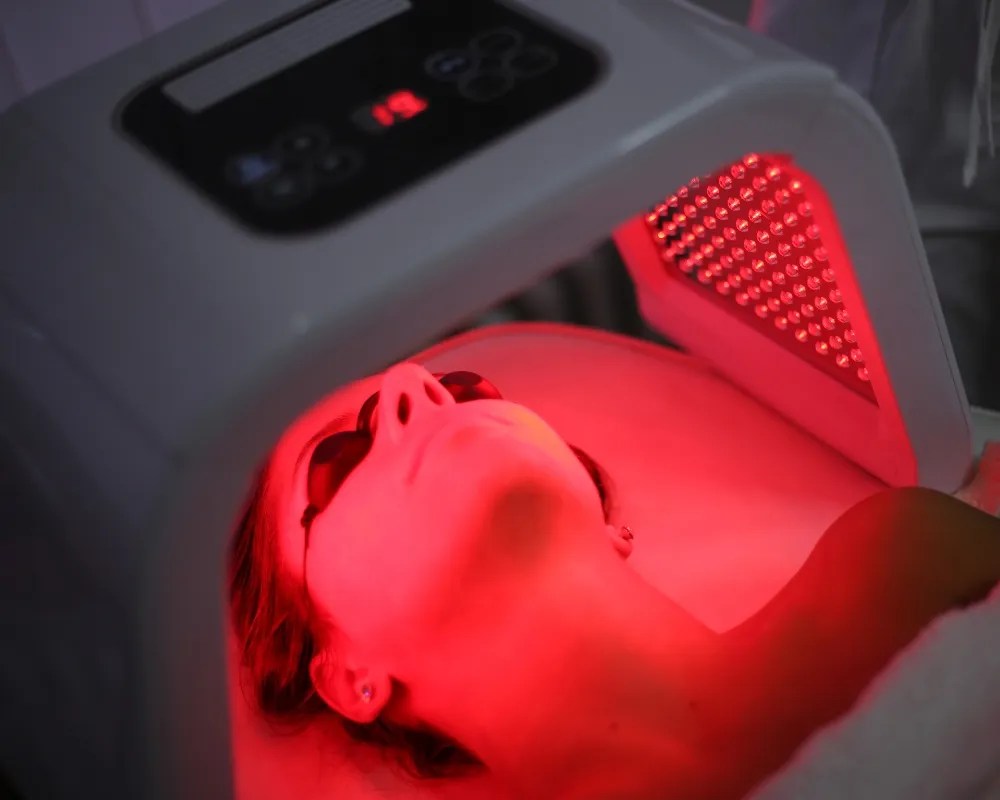
Does red light therapy improve mood? Yes! Red light penetrates deep into the skin, stimulating collagen to reduce wrinkles. It also promotes relaxation, improves blood flow, and lessens pain. This helps you enhance your well-being and emotional balance.
The Science Behind Light Therapy and Mood Improvement
Here’s how light improves mood by changing brain chemicals. Light impacts your brain and its chemicals. It helps balance melatonin and serotonin. Light entering your eyes affects these chemicals. Serotonin boosts mood, melatonin regulates sleep.
Light can reduce serotonin transporter binding. Morning light reduces melatonin and improves sleep. It can re-align your sleep and wake patterns.
Light Therapy Benefits for Mental and Physical Well-Being
Light therapy helps improve mood, boost energy, and reduce stress. It supports mental well-being by mimicking natural sunlight. This simple therapy can help with sleep, focus, and seasonal sadness. It will make your daily life easier and more enjoyable.
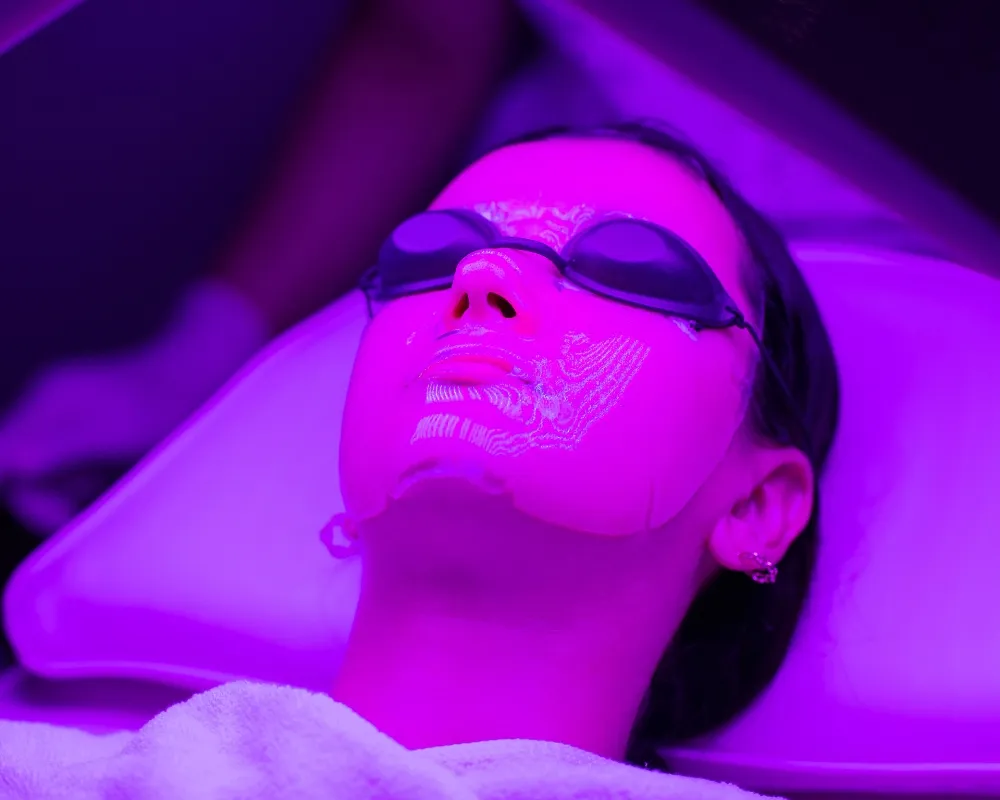
Reduces Symptoms of Seasonal Affective Disorder (SAD)
Light therapy helps replace lost sunlight in winter. It increases serotonin, lifting your mood and reducing sadness. Regular use can make dark months feel brighter. It helps you stay positive, happy, and balanced in an emotional way.
Boosts Energy Levels and Reduces Fatigue
Feeling tired all the time? Light therapy wakes up your body innately. It helps you feel more awake, active, and refreshed. Regular sessions can boost energy, making it easier to stay alert and focused.
Improves Sleep Quality
Struggling with sleep? Light therapy resets your body clock. It helps you fall asleep faster and wake up refreshed. It balances melatonin, making nights restful and mornings easier. Better sleep means more energy, less stress, and a healthier daily routine.
Enhances Focus and Productivity
Light therapy helps clear brain fog and improve focus. It keeps you alert, sharp, and ready to complete tasks. Using light therapy daily can help you stay productive and achieve more.
Helps with Anxiety and Depression Management
Feeling overwhelmed? Light therapy lifts your mood by boosting serotonin. It helps reduce stress, anxiety, and depression. Regular exposure can bring emotional balance and help you feel happy.
Who Can Enjoy Light Therapy?
- Individuals experiencing seasonal depression
- People with irregular sleep patterns or insomnia
- Those dealing with chronic stress and fatigue
Light Therapy vs. Other Mood-Enhancing Treatments
| Aspect | Light Therapy | Other Mood-Enhancing Treatments |
| Type | Exposure to specific wavelengths of light | Includes medications, psychotherapy, lifestyle changes, and alternative therapies. |
| Conditions Treated | Seasonal Affective Disorder (SAD), non-seasonal depression, and sleep disorders. | Depression, anxiety, bipolar disorder, PTSD, and other mental health conditions. |
| Method | Sitting near a light box or lamp for 30 minutes daily. | Medications (antidepressants, anxiolytics), talk therapy, cognitive-behavioral therapy (CBT), etc. |
| Effectiveness | Effective for SAD and non-seasonal depression | It depends on the condition and the person. Some treatments work better for specific issues. |
| Side Effects | Eye strain, headache, insomnia. | Medication side effects and potential dependency on certain medications. |
| Accessibility | You can do this at home with a lightbox. | Requires professional guidance (e.g., therapy sessions) and prescriptions for medications. |
| Time to Effect | It may take several weeks to see improvement. | It may take several weeks to see improvement. |
| Insurance Coverage | Insurance may not cover it. | Insurance may cover some treatments (e.g., medications, therapy). |
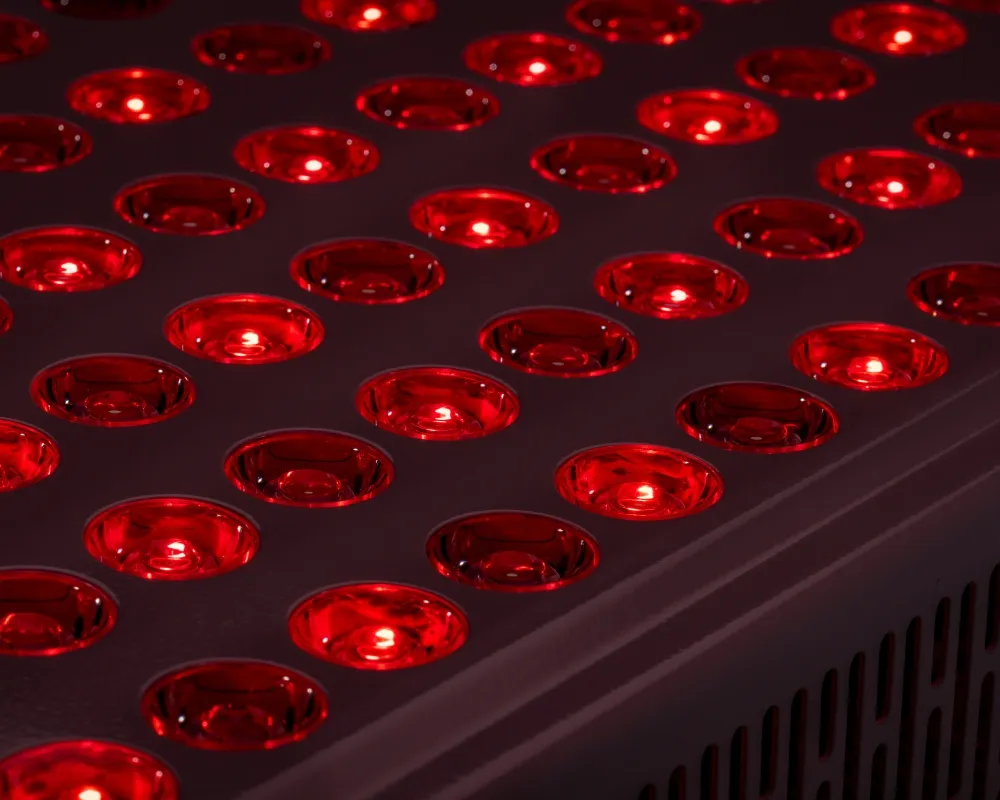
Light Therapy for a Happy and Healthy Life
Light therapy is a simple way to feel better. It helps with mood, energy, and sleep. The special light balances your brain and makes you happy. If you feel tired or sad, try these LED mood therapy lights. It can make life brighter and easier.