Massage therapy is an ancient healing practice with proven benefits for both the mind and body. It relies on the principles of massage, which are based on the understanding of human anatomy and physiology, the principles of touch, and the body’s response to it. Through massage, practitioners can provide pain relief, relaxation, and enhanced physical and emotional well-being. In this blog post, we will discuss the principles of massage therapy and how they can be used to achieve pain relief, relaxation, and improved well-being.
History of Massage Therapy
Massage therapy has been used for centuries to improve physical and emotional well-being. The earliest forms of massage therapy can be traced back to ancient cultures such as the Chinese, Egyptians, and Greeks, who believed that massage could help to treat physical ailments and reduce stress. The principles of massage therapy are based on a combination of understanding human anatomy and physiology, the four principles of touch, and the body’s response to it.
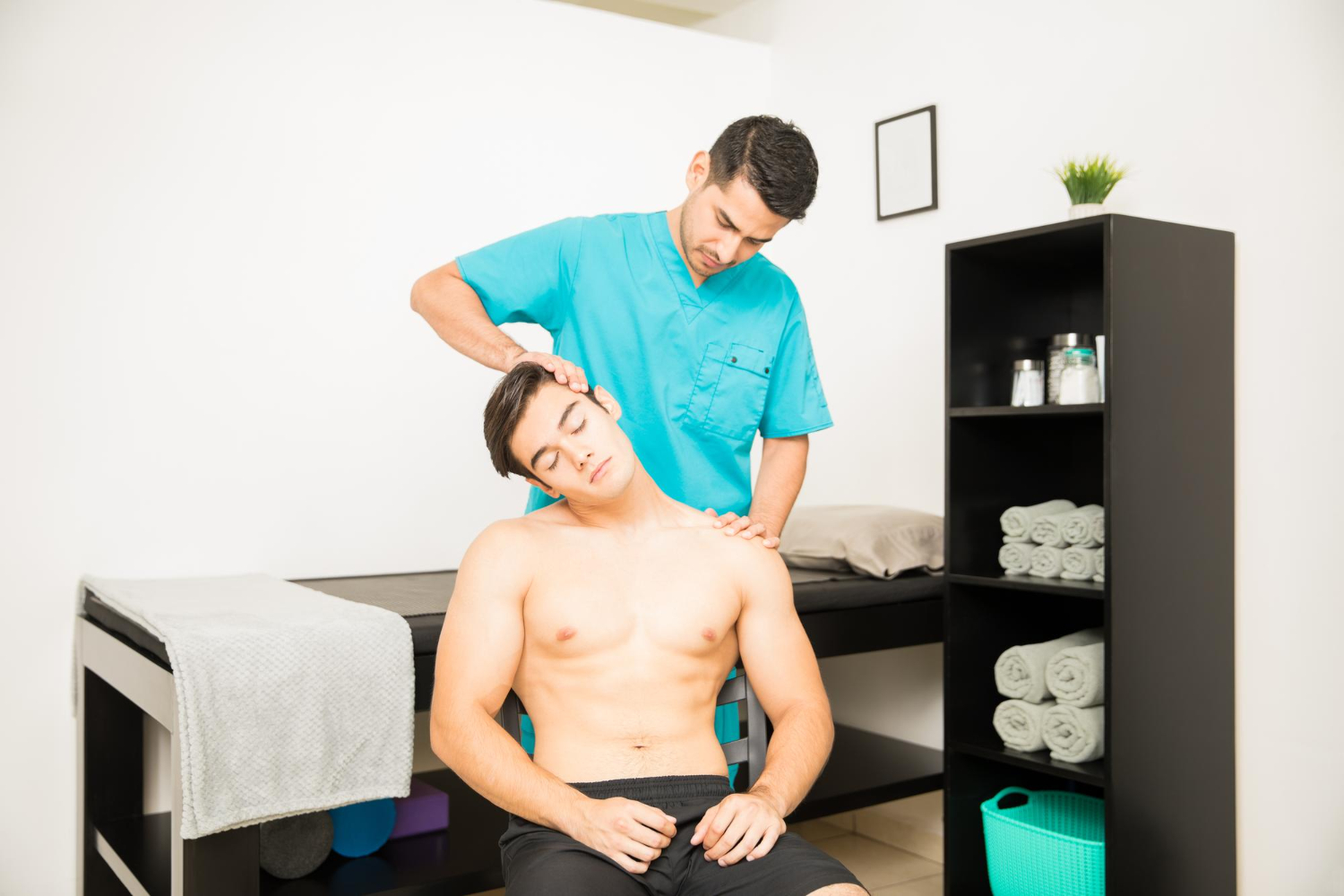
The four principles of massage therapy include the following: effleurage, which is a light, gliding motion; petrissage, which is kneading; tapotement, which is a rhythmic percussion; and vibration, which involves rapid movement. Each of these techniques is used to target different areas of the body to provide pain relief, relaxation, and improved circulation. By applying pressure, stretching, and manipulating muscles, joints, and other soft tissues, massage therapists can help reduce pain, increase mobility, improve posture, reduce stress, and improve overall well-being.
Understanding Human Anatomy and Physiology
To understand massage therapy, it’s important to understand the basics of human anatomy and physiology. Massage is based on the understanding of four core principles: balance, awareness, connection, and respect. These principles have been used for centuries to create a therapeutic environment that encourages relaxation, pain relief, and improved physical and emotional well-being.

Balance refers to the relationship between the body and its environment. By establishing balance through massage, we can help the body remain in a healthy state by managing stress levels and reducing muscle tension. Awareness involves being mindful of the sensations that arise during a massage, both positive and negative. Through awareness, we can become more aware of our bodies, allowing us to make adjustments accordingly.
Connection focuses on creating a trusting bond between the massage therapist and the client. This connection allows us to deepen the trust between both parties, allowing the client to truly relax and release tension. Finally, respect involves showing kindness, patience, and understanding during massage sessions. We must remember to respect the client’s boundaries at all times, providing a safe space for relaxation and healing.
By combining these four core principles of massage therapy with knowledge of human anatomy and physiology, we can create a unique treatment plan that is tailored to meet each client’s individual needs. Understanding this relationship between the body and its environment is key to achieving successful outcomes from massage therapy.
The Principles of Touch
The practice of massage therapy is rooted in the four principles of massage therapy, which form the foundation of a massage session. These four principles are pressure, motion, vibration, and friction.
Pressure
Pressure is used to compress and stretch soft tissues to reduce muscle tension and pain, increase circulation, and promote relaxation. Different massage techniques involve varying levels of pressure; a light touch is used for relaxation, whereas deep-tissue massage applies more intense pressure to specific areas.

Motion
Motion is used to manipulate soft tissue and improve the range of motion in joints. Different motions can be used to provide a relaxing or stimulating experience, depending on the goal of the massage. Common techniques include kneading, rolling, rocking, vibrational, and stretching.
Vibration
Vibration is a technique in which the therapist uses their hands or fingers to apply quick, small, and rhythmic pulsations. This technique is often used to help release tight muscles and increase circulation.
Friction
Friction is used to create heat and improve circulation by manipulating the muscle fibres in a circular motion. This technique can be used to target specific areas of muscle tension and break up adhesions that can cause pain.
By utilizing these four principles of massage therapy, massage therapists can help reduce stress and muscle tension, improve range of motion, and promote relaxation and overall well-being.
The Body’s Response to Touch
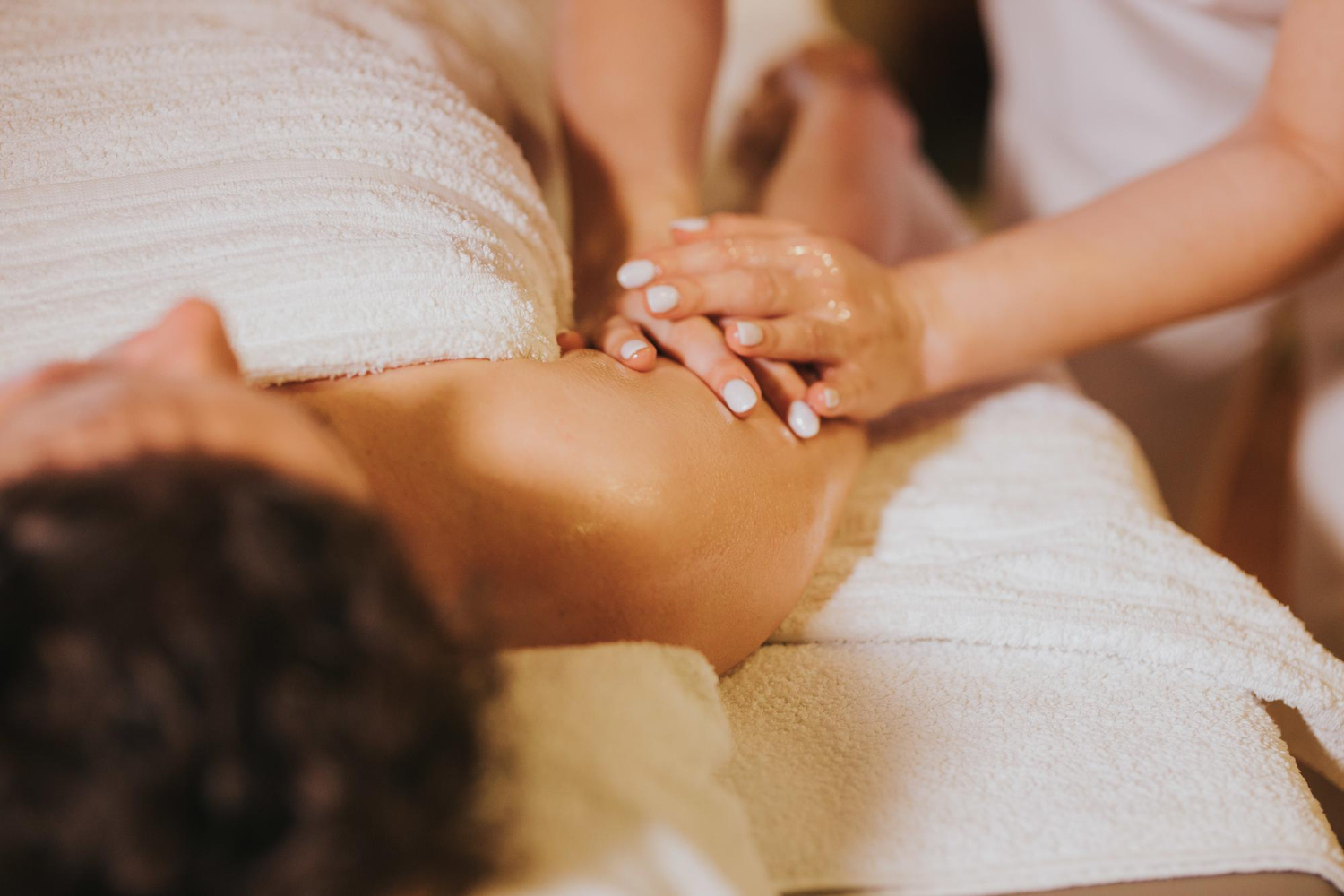
When it comes to massage therapy, the body’s response to touch is an important factor to consider. The four principles of massage therapy are pressure, rhythm, direction, and depth. Pressure is used to help target specific muscle groups and improve circulation. Rhythm helps to relax and release tension from muscles. Direction is used to move the body and stretch muscles in a specific direction. Finally, depth helps to provide deep tissue manipulation and helps target areas of the body that may require more intense massage techniques. By understanding the body’s response to touch and how the four principles of massage therapy can be used, practitioners can maximize the benefits of massage and help their clients achieve optimal physical and emotional well-being.
Benefits of Massage Therapy

Massage therapy is known to provide a range of physical and emotional benefits, many of which stem from the four principles of massage therapy. These principles are touch, pressure, motion, and position.
The touch element of massage therapy helps to create a sense of relaxation and comfort, while the pressure helps to release tension in the muscles. By applying pressure to certain areas of the body, massage therapists can help improve circulation and reduce inflammation, leading to improved overall health. Motion works to increase mobility and flexibility in the body, while positioning helps to make sure that the massage therapist can easily access all areas of the body they need to reach.
In addition to its physical benefits, massage therapy is also known to provide emotional benefits. It can help relieve stress and anxiety, promote a feeling of well-being, and even boost the body’s natural production of endorphins. Massage therapy can also be used to improve sleep quality and promote an overall sense of balance in the mind and body.