Thai yoga massage is a unique form of bodywork that has been practiced for thousands of years in Thailand. It is an art form that unites body, mind, and soul through a combination of acupressure, yoga, and Ayurveda. During a Thai yoga massage, the practitioner uses their hands, thumbs, elbows, knees, and feet to apply rhythmic pressure and gentle stretches to the recipient’s body, creating an experience of deep relaxation and rejuvenation. The art of Thai yoga massage offers a healing and holistic approach to restoring balance and wellbeing to the body, mind, and soul.
What is Thai Yoga Massage?
Thai Yoga Massage is a unique form of bodywork that combines elements of acupressure, yoga, and Ayurveda. It is also known as Thai bodywork or massage. The art of Thai massage has been around for centuries and has been perfected over time.

Rhythmic Pressure and Gentle Stretches
During a Thai yoga massage session, the practitioner uses their hands, thumbs, elbows, knees, and feet to apply rhythmic pressure and gentle stretches to the recipient’s body. This massage is different from a traditional thai oil massage as it incorporates elements of yoga and stretches to help align and open up energy channels in the body. Thai Yoga Massage is known to leave one feeling relaxed and refreshed.
Benefits of Thai Yoga Massage
Thai yoga massage offers numerous benefits for both physical and mental health.
- It helps to alleviate stress and anxiety, allowing for a more peaceful state of mind.
- It helps to relieve muscular tension and improve circulation, aiding in pain relief and relaxation.
- It can help to improve posture and flexibility, allowing for greater ease of movement.
- It can promote better sleep and reduce fatigue, feeling refreshed and energized.
The Technique of Thai Yoga Massage
Thai Yoga Massage is not just a simple massage technique; it’s an art form that requires extensive knowledge and expertise. Unlike traditional massages that use oils, the practitioner uses no oils during a Thai Yoga Massage session. Instead, they use their hands, feet, knees, and elbows to apply pressure on specific points and muscle groups, in addition to stretching the body in various positions.
Ancient Healing Technique
This ancient healing technique originated in Thailand over 2,500 years ago, and the practitioners consider it a spiritual practice that aims to align the body’s energy and promote a healthy balance between body, mind, and spirit. Through a combination of acupressure, yoga, and Ayurvedic practices, Thai Yoga Massage stimulates the energy flow, enhances flexibility, relieves muscle tension, and improves overall wellbeing.
Flowing Art of Thai Yoga Massage
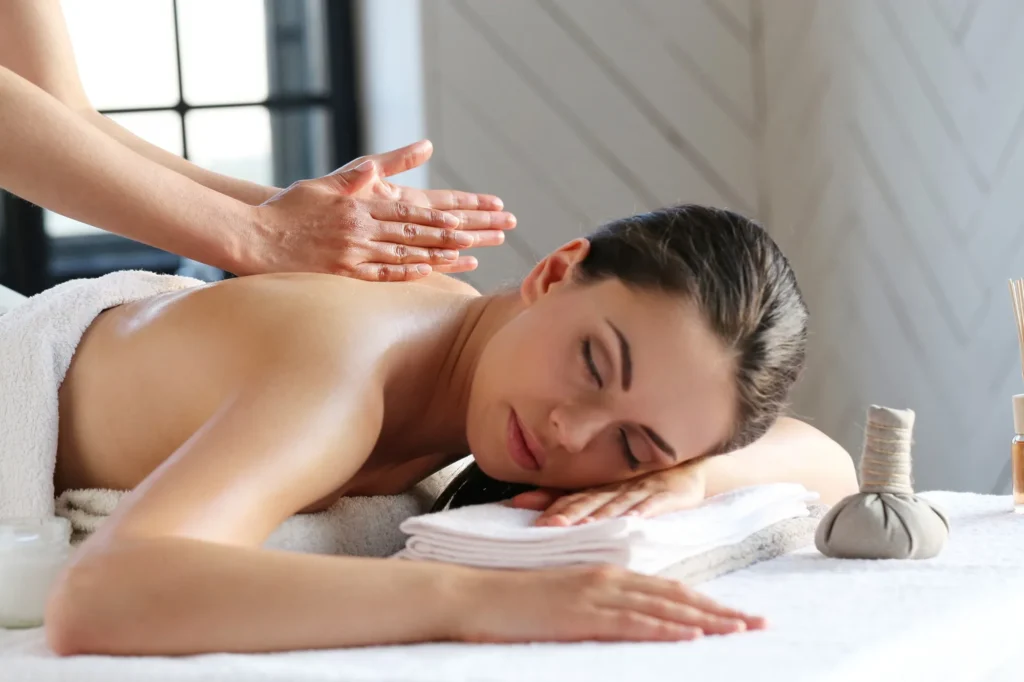
The technique involves a sequence of movements, with each move flowing smoothly into the next. The practitioner uses their body weight and leverage to provide deep pressure, which helps release energy blockages and muscle knots. By following the flow of energy through the body’s sen lines (similar to meridians in Chinese medicine), the practitioner can balance and harmonize the body’s energy.
Through gentle stretching and rhythmic pressure, it can help you release tension, increase flexibility, and boost your overall energy levels.
Differences between Traditional Massage and Thai Yoga Massage
While both traditional massage and Thai yoga massage share the goal of promoting relaxation, pain relief, and improved circulation, they are distinct in many ways.
Firstly, the art of Thai massage focuses on energy pathways within the body, while traditional massage mainly targets muscle tension. Thai yoga massage may involve more stretching and acupressure points rather than solely massage techniques.
Secondly, while traditional massages often use oils or lotions to facilitate smooth movements, Thai yoga massage typically doesn’t involve the use of oils, making it ideal for those with allergies or sensitive skin.
Overall, what’s a Thai massage differs from a traditional massage in that it places greater emphasis on the spiritual, energetic, and holistic aspects of wellness.
Who can Benefit from Thai Yoga Massage?
Anyone can benefit from Thai yoga massage, regardless of age, fitness level, or physical ability. If you’re looking for a unique and holistic way to relax and de-stress, then Thai yoga massage may be the perfect choice for you.
Additionally, if you suffer from chronic pain, stiffness, or tension in your muscles, then Thai yoga massage may help alleviate your symptoms. This form of bodywork can also benefit those who practice yoga or other physical activities, as it can improve flexibility, range of motion, and overall body awareness.
What to Expect during a Thai Yoga Massage Session
If you’re wondering what’s a Thai massage session is like, expect to experience a deep sense of relaxation and rejuvenation. Thai yoga massage is typically done on a floor mat, with the recipient fully clothed in comfortable clothing.
Reduce Tension and Restore Balance
The practitioner will start by gently pressing and kneading various points on the body, applying rhythmic pressure and stretches that aim to release tension and restore balance.
Expect to feel a renewed sense of energy and clarity after the session. It’s recommended to drink plenty of water and avoid strenuous activity for a few hours following the massage to allow the body to fully integrate the experience.
Aftercare: What to Do Post-Massage
After receiving a Thai Yoga Massage, it’s important to take care of your body to fully reap the benefits of the session.
Keep Hydrated
Firstly, make sure to hydrate with plenty of water to help flush out any toxins that may have been released during the massage. You may also want to rest and avoid strenuous activity for the rest of the day to allow your body to fully relax and integrate the work that was done.
Warm Bath or Shower
Additionally, taking a warm bath or shower can help further relax the muscles and promote a sense of well-being. Remember to communicate with your practitioner if you experience any discomfort or soreness after the massage.
Overall, what’s a Thai massage without proper aftercare? Make sure to prioritize self-care and take the time to fully enjoy the positive effects of this unique form of bodywork.