Circadian rhythms are the natural cycles that our bodies follow in a 24-hour period, regulating our sleep-wake cycle, hormone production, and other bodily functions. However, with the rise of technology and artificial lighting, our natural circadian rhythms can become disrupted, leading to poor sleep quality and other health issues. This is where light therapy comes into play. In recent years, light therapy has gained popularity as a natural and effective way to regulate circadian rhythms and improve sleep quality. In this blog post, we will delve deeper into the impact of light therapy on circadian rhythms and sleep quality, and how it can benefit your overall health and well-being.
Understanding Circadian Rhythms
Circadian rhythms are our body’s natural internal clocks that regulate our sleep-wake cycle, hormone production, and other important bodily functions. These rhythms are influenced by external cues, such as light exposure. Understanding our circadian rhythms is crucial for maintaining optimal sleep and overall health. Our bodies are programmed to follow a 24-hour pattern, and disruptions to this rhythm can lead to sleep disorders and health issues. By understanding our circadian rhythms, we can better understand the role of light in regulating our sleep and wakefulness, and how light therapy can be used to align our rhythms for improved sleep quality.
The Role of Light in Circadian Rhythms
Light plays a crucial role in regulating our circadian rhythms, which are the internal clocks that control our sleep-wake cycle, hormone production, and other bodily functions. Here’s how light impacts our circadian rhythms:
Light as an external cue:
Our circadian rhythms are influenced by external cues, such as light exposure. Natural sunlight is the primary cue that helps regulate our internal clocks. When exposed to light, especially in the morning, our bodies receive the signal that it is daytime, promoting wakefulness and alertness. In contrast, when light decreases in the evening, our bodies interpret it as a signal to start winding down for sleep.
The impact of artificial lighting:
With the advent of technology and artificial lighting, our exposure to light has significantly changed. We are now surrounded by bright screens, LED lights, and other artificial sources of light that can disrupt our natural circadian rhythms. This constant exposure to artificial light, especially in the evening, can trick our bodies into thinking it’s still daytime, delaying the onset of sleep and affecting our sleep quality.
Blue light and melatonin suppression:
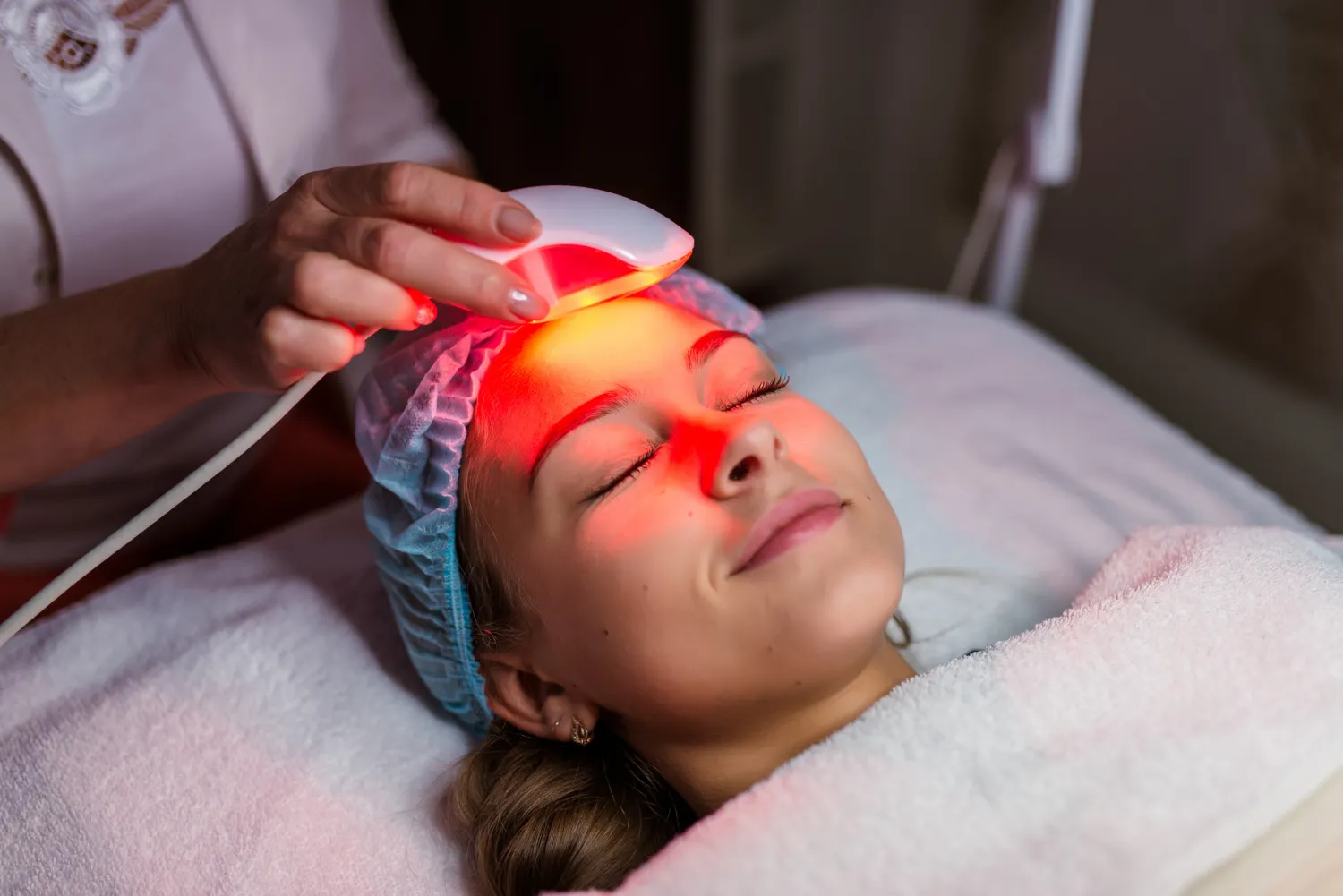
One specific type of light that affects our circadian rhythms is blue light. Blue light, which is emitted by electronic devices and energy-efficient light bulbs, has been shown to suppress the production of melatonin, the hormone responsible for promoting sleep. When we expose ourselves to blue light in the evening, it can delay the release of melatonin, making it harder for us to fall asleep and disrupting our sleep-wake cycle.
Light therapy and circadian rhythm regulation:
Light therapy uses specific wavelengths of light to regulate our circadian rhythms and improve sleep quality. By exposing ourselves to bright light, especially in the morning, we can help reset our internal clocks and promote the production of melatonin in the evening. This can be particularly helpful for individuals with sleep disorders or jet lag, as it can help align their circadian rhythms with their desired sleep schedule.
What is Light Therapy?
Light therapy, also known as phototherapy, is a treatment method that involves exposure to specific wavelengths of light to help regulate our circadian rhythms. It typically involves using a light therapy lamp or light box that emits bright light that mimics natural sunlight. This exposure to bright light can help reset our internal clocks and regulate melatonin production, promoting better sleep quality and overall well-being. Light therapy is a non-invasive and natural approach to addressing circadian rhythm disruptions and can be a valuable tool for those struggling with sleep issues or jet lag.
Light Therapy and Circadian Rhythms
Light therapy is a powerful tool for regulating circadian rhythms and improving sleep quality. By exposing ourselves to bright light, we can reset our internal clocks and promote the production of melatonin, the sleep hormone. This can be especially helpful for individuals who struggle with sleep disorders or jet lag. Light therapy is a safe and natural approach to addressing circadian rhythm disruptions and can have a profound impact on our overall well-being. With the right knowledge and implementation, light therapy can help us optimize our sleep and improve our quality of life.
The Impact of Light Therapy on Sleep Quality
Light therapy has a significant impact on sleep quality, improving not only the duration but also the overall depth and restfulness of sleep. Here are some of the ways in which light therapy positively affects sleep quality:
Regulation of circadian rhythms:
Light therapy helps reset our internal clocks and align them with our desired sleep schedule. By exposing ourselves to bright light, especially in the morning, we can signal to our bodies that it is daytime, promoting wakefulness and alertness. This helps regulate our sleep-wake cycle and promotes better sleep quality at night.
Increased production of melatonin:
Light therapy stimulates the production of melatonin, the hormone responsible for promoting sleep. By exposing ourselves to bright light in the morning, we can help increase melatonin levels in the evening, making it easier to fall asleep and improving overall sleep quality.
Reduction of sleep disorders:
Light therapy has been shown to be effective in reducing the symptoms of various sleep disorders, including insomnia and delayed sleep phase syndrome. By using light therapy, individuals with sleep disorders can improve their sleep efficiency, reduce the time it takes to fall asleep and experience better overall sleep quality.
Alleviation of seasonal affective disorder (SAD):
Light therapy is a well-established treatment for seasonal affective disorder, a type of depression that occurs during specific seasons, usually winter. Exposure to bright light has been shown to improve mood, increase energy levels, and alleviate symptoms of SAD, ultimately improving sleep quality.
Enhancement of shift work sleep:
For individuals working night shifts or irregular schedules, light therapy can be a valuable tool for managing sleep quality. By strategically using light therapy, shift workers can regulate their sleep-wake cycle and promote better sleep during their designated rest periods. This can help alleviate sleep disturbances and improve overall well-being.
Safety and Considerations for Light Therapy
When using light therapy, it’s essential to prioritize safety and consider certain factors to ensure you have a positive experience. Here are some key safety considerations for light therapy:
Consult with a healthcare professional:
Before starting light therapy, it’s crucial to consult with a healthcare professional, especially if you have any underlying health conditions or are taking medications. They can provide guidance specific to your situation and help determine the appropriate duration and intensity of light exposure.
Use a certified light therapy device:
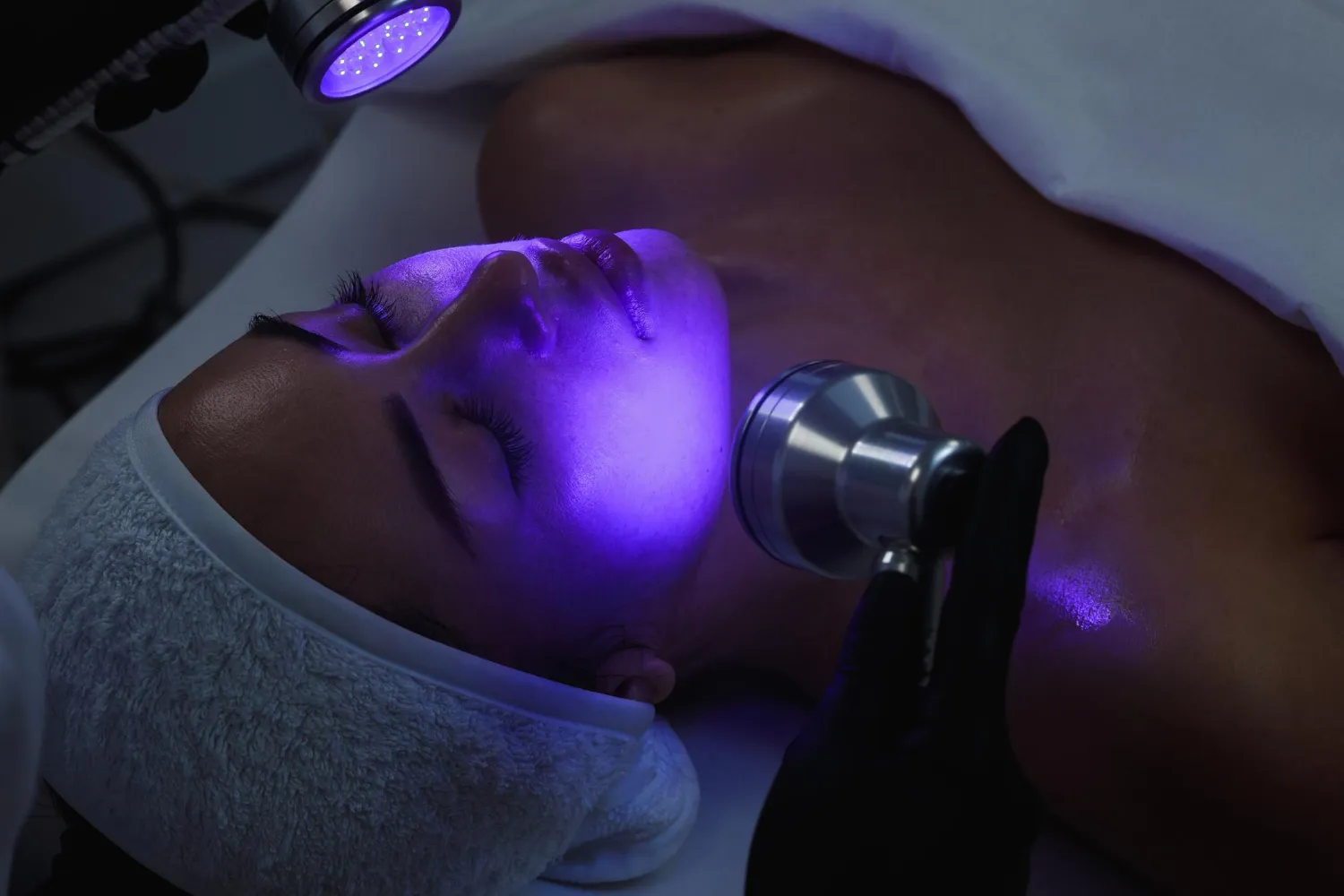
Ensure that the light therapy device you are using is certified and meets safety standards. Look for devices that have been tested and approved by regulatory bodies such as the Food and Drug Administration (FDA) or other relevant authorities.
Follow instructions and recommended guidelines:
Each light therapy device may come with specific instructions and recommended usage guidelines. It’s essential to follow these instructions carefully to ensure effective and safe use. Pay attention to factors such as recommended distance, duration of exposure, and optimal time of day for light therapy.
Time and duration:
Light therapy is typically recommended in the morning to help regulate circadian rhythms effectively. However, individual needs may vary, so it’s essential to find a schedule that works best for you. Start with shorter exposure times, around 15-30 minutes, and gradually increase if needed.
Eye protection:
Protecting your eyes during light therapy is crucial to avoid potential damage. Some light therapy devices may come with built-in eye protection, such as shields or diffusers. If your device does not have built-in eye protection, consider wearing special goggles or closing your eyes during the session.
Potential side effects:
While light therapy is generally safe, some individuals may experience mild side effects such as eyestrain, headache, or nausea. If you notice any discomfort or adverse effects, it’s important to reduce the light exposure or consult with a healthcare professional.
Studies on Light Therapy and Sleep Disorders
Numerous studies have explored the impact of light therapy on sleep disorders, providing valuable insights into its effectiveness. Research has shown that light therapy can significantly improve sleep quality and reduce symptoms of insomnia, delayed sleep phase syndrome, and other sleep disorders.
For example, a study published in the Journal of Clinical Sleep Medicine found that light therapy was effective in reducing the time it takes to fall asleep and improving overall sleep efficiency. Another study in the journal Sleep Medicine showed that light therapy significantly improved sleep quality and reduced daytime sleepiness in individuals with insomnia. These findings highlight the potential of light therapy as a valuable treatment option for individuals struggling with sleep disorders.
Conclusion: Enhancing Sleep with Light Therapy
Incorporating light therapy into your daily routine can be a game-changer when it comes to improving your sleep and overall well-being. By understanding the role of light in regulating our circadian rhythms, we can harness the power of light therapy to optimize our sleep quality and enhance our quality of life. Whether you’re struggling with sleep disorders, working night shifts, or experiencing seasonal affective disorder, light therapy offers a natural and effective solution. So why not give it a try and experience the positive impact of light therapy on your sleep and overall health? You deserve a good night’s sleep!